Issues & Policies Important to Me
Mental HealthTreatment: The Solution to So Many Problems
I won’t bore you with my rant about our state’s lack of funding for mental health treatment, but it’s long past time to stop the cycle of people with mental health challenges rotating in and out of hospitals, prisons, shelters, and the streets.
When we think about homelessness, crime, youth suicide, gun violence, addiction, and domestic violence — so many of these problems have their origins in mental instability and lack of access to appropriate care and treatment. We could save so much money down the road if we ensured everyone got the help they needed.
Public Health & Human Services
My undergraduate degree is in Public Health. I worked for the federal Department of Health & Human Services Region 10 (WA, OR, ID, Alaska) for 18 years. I can’t say I moved the needle much, but I worked with so many nonprofits and great leaders who did — especially healthcare, foster care, youth homelessness, child care, child welfare, Head Start, community action agencies, and so many more.
I believe in a public health approach to problem-solving, which means emphasizing prevention wherever possible and intervening upstream.
The NW Heat Dome: A Proposal to Prepare for Taking Care of Our Most Vulnerable
As a caregiver for my mother for four years, I learned more than I cared to about the challenges that homebound elderly and disabled face. See my proposal for protecting the vulnerable elderly and disabled — and home care workers — during future heat incidents.
And …
Climate change — particularly the public health effects of climate change
Protecting our natural and wild spaces
Reproductive health care
Fiscal accountability
Affordable everything
Youth and family homelessness
Strong schools and teachers
Worker protections
And hey, can’t we do more to get rid of SPAM calls?
Disaster Preparedness & Response
Are you prepared for the Subduction Zone Earthquake? For a house or apartment fire? For an extended power outage?
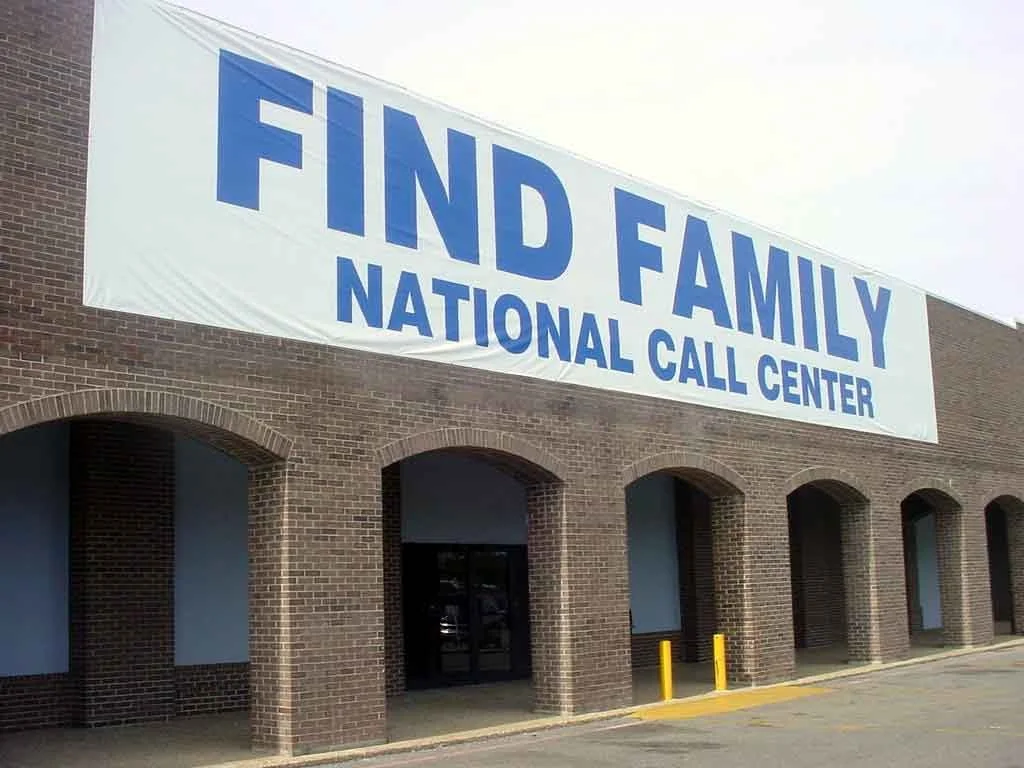
I was deployed to Baton Rouge after Katrina for a short time to assist with their Find Family Call Center, reuniting lost family members and identifying family remains. After Katrina, Congress passed PKEMRA (Post-Katrina Emergency Management Reform Act of 2006) instituting a number of changes to preparedness and response.
The legislation included more attention to children and families following a disaster and created a National Commission on Children and Disasters.
I spent several years working with Region 10 states, nonprofits, Red Cross and my federal colleagues to develop disaster plans and COOP (continuity of operations plans) for child welfare, child care, and foster care programs in the ESF-6 arena.
I visited New Zealand after their earthquake in 2011 and met with human services and disaster professionals to hear their lessons learned. On my own dime. Well, I’ve visited other beautiful places too, I’m just saying this is a passion of mine.
Here are a few resources to help you get started:
American Red Cross: https://www.redcross.org/get-help/how-to-prepare-for-emergencies.html?srsltid=AfmBOopoygg
Seattle Emergency Management: https://www.seattle.gov/emergency-management
FEMA: www.ready.gov